So, we’ve seen how important immunizations are to society, as well as the current impact of genomic sequencing in the clinic. But is there a connection between these two topics?
Here is where the field of vaccine genomics comes into play. Genome sequencing, such as Whole-Exome Sequencing that we discussed in the last post, can help identify genetic patterns in a person’s DNA code. Some of these patterns can provide clues into the strength of an individual’s immune system in protecting against certain diseases, or factors that can impact immunity or the success of a immunization’s response (National Research Council 2006). This information could allow scientists to create personalized vaccines with specific targets, that can allow for higher success rates (National Research Council 2006).
In addition to this personalizing vaccines, we can sequence viruses themselves. By comparing genome sequences of viruses that cause infection against ones that do not, we can begin to understand the strain itself (National Research Council 2006). It can also allow us to understand how the virus gets to the strengths that it does, environments that it can thrive in, and allow researchers and scientists to be able to develop faster and more effective vaccines (National Research Council 2006).
But researchers aren’t just using genomics to understand vaccines; they’ve begun using it to cure them. Genomic vaccines are sequences of DNA or RNA that are injected into research subjects, and have been coded to enter cells and produce proteins that can produce antibodies that can help fight viruses (Ling 2017). This acts as support to our own immune systems, which learn how to make those same antibodies at a much slower rate. This is a research topic currently being studied not only in academic labs across the United States, but also in pharmaceutical companies across the Research Triangle and North Carolina.
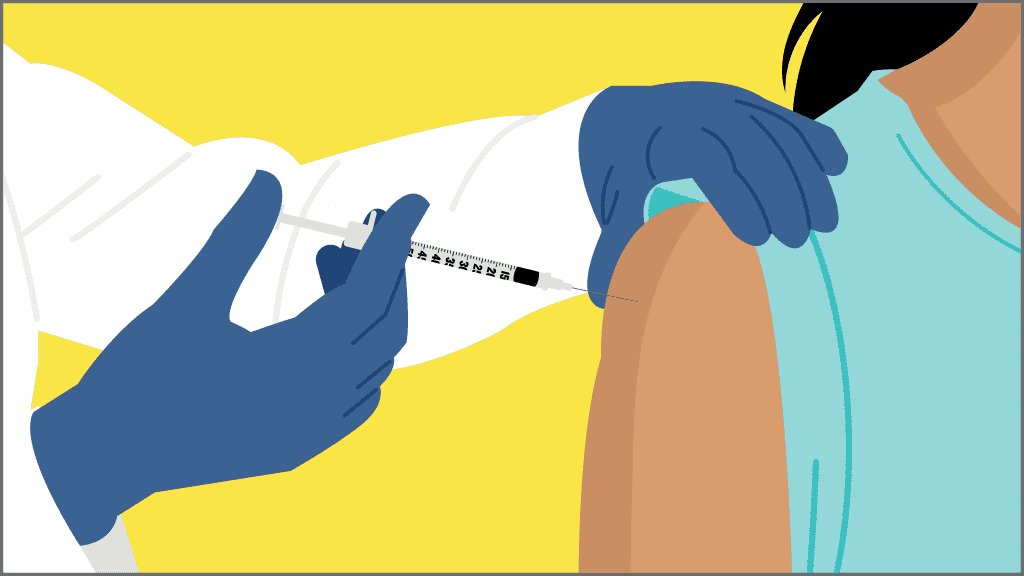
Credit: GoodRx (https://www.goodrx.com/blog/travel-vaccines-general-info/)
While this may seem like science fiction, there are a number of clinical trials underway implementing genomic vaccines for conditions such as influenza, Ebola, Hepatitis C, HIV, and breast, lung, prostate, pancreatic and other cancers (Ling 2017). While clinical trials are infamous for being large time commitments, it’s something to definitely keep an eye out for as we delve deeper into the time period that many scientists are deeming the “Genomic Revolution”, especially for patients with special conditions like Evelyn and Jack.
References
Ling G. 2017. “Genomic Vaccines Fight Disease in Ways Not Possible Before.” Scientific American. [accessed 2020 Feb 19]. https://www.scientificamerican.com/article/genomic-vaccines/
National Research Council. 2006. The Genomic Revolution: Implications for Treatment and Control of Infectious Disease: Working Group Summaries. Washington, DC: The National Academies Press. https://doi.org/10.17226/11615.
Surofchy D. Travel Vaccines: When to Get Them, Side Effects, and Cost – GoodRx. The GoodRx Prescription Savings Blog. 2019 Nov 13 [accessed 2020 Feb 22]. https://www.goodrx.com/blog/travel-vaccines-general-info/
 rajee's blog